
Your Winter Guide to Protecting Your Roof from Snow Load and Ice Dams
Winter in Akron can be beautiful, with a quiet blanket of snow covering everything. But for homeowners, that picturesque scene can hide a serious threat to one of your home’s most important assets: your roof. The sheer weight of heavy snow and the formation of destructive ice dams are common concerns for every Akronite. Understanding these winter challenges is the first step in protecting your home and preventing costly damage down the line. As a family-owned company built on honesty and transparency, we believe in empowering our neighbors with the knowledge they need. This guide will walk you through what snow load and ice dams are, how to spot warning signs, and what you can do to keep your home safe all winter long.
Understanding the Weight on Your Roof: What is Snow Load?
"Snow load" is the term used to describe the downward force that accumulated snow and ice exert on a structure. While homes in Summit County are built to withstand a typical Ohio winter, an unusually heavy snowfall or a rapid succession of storms can push a roof to its limits. The weight of snow can vary dramatically; light, fluffy snow weighs about 3-5 pounds per cubic foot, while wet, heavy snow can weigh over 20 pounds per cubic foot. When ice is mixed in, that number climbs even higher.
While a roof collapse is rare, excessive snow load can cause significant structural stress. It's crucial to be aware of the warning signs that your roof is under too much strain:
- Strange Noises: Creaking, groaning, or popping sounds coming from the roof or attic can indicate stress.
- Sticking Doors or Windows: Severe roof load can slightly distort your home's frame, causing interior doors or windows to become difficult to open or close.
- Visible Sagging: Any noticeable bowing or sagging of the roofline is a serious red flag that requires immediate attention.
- Cracks in Drywall: New cracks appearing on interior walls or ceilings can be a symptom of structural shifting from the weight above.
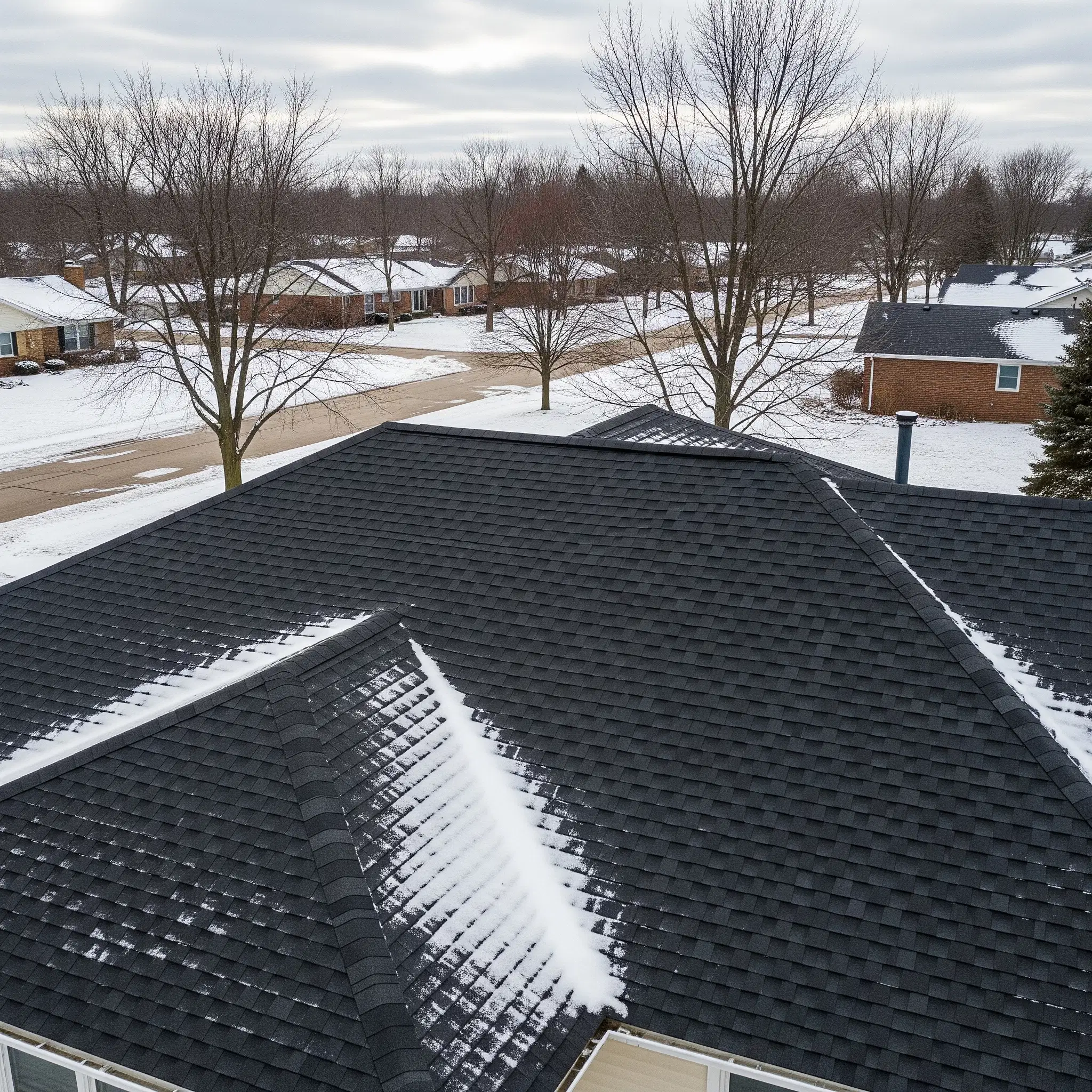
The Sneaky Culprit: How Ice Dams Form and Wreak Havoc
More common than snow load issues, and often more destructive, are ice dams. An ice dam is a ridge of ice that forms at the edge of a roof, preventing melting snow from draining properly. This might seem like a simple icicle problem, but it’s a sign of a much larger issue that can lead to serious water damage.
Here’s how it happens:
- Heat Escapes: Warm air from your living space rises into the attic. If the attic is poorly insulated or ventilated, this heat warms the underside of your roof deck.
- Snow Melts: The snow on the upper parts of your roof melts from this heat, even when the outside temperature is below freezing.
- Water Refreezes: The meltwater runs down the roof until it reaches the cold eaves (the roof's edge), which are not heated by the attic. Here, the water refreezes, creating a small dam.
- Water Backs Up: As this process continues, the dam grows larger. The water pooling behind it has nowhere to go but up and under your shingles, where it can seep into your attic, soak insulation, and damage ceilings and walls.
Clogged gutters can significantly worsen this problem by giving the ice an easy foundation to build upon. The damage from ice dams often isn't discovered until the spring thaw reveals water stains and peeling paint, leading to complex and expensive roof repairs.
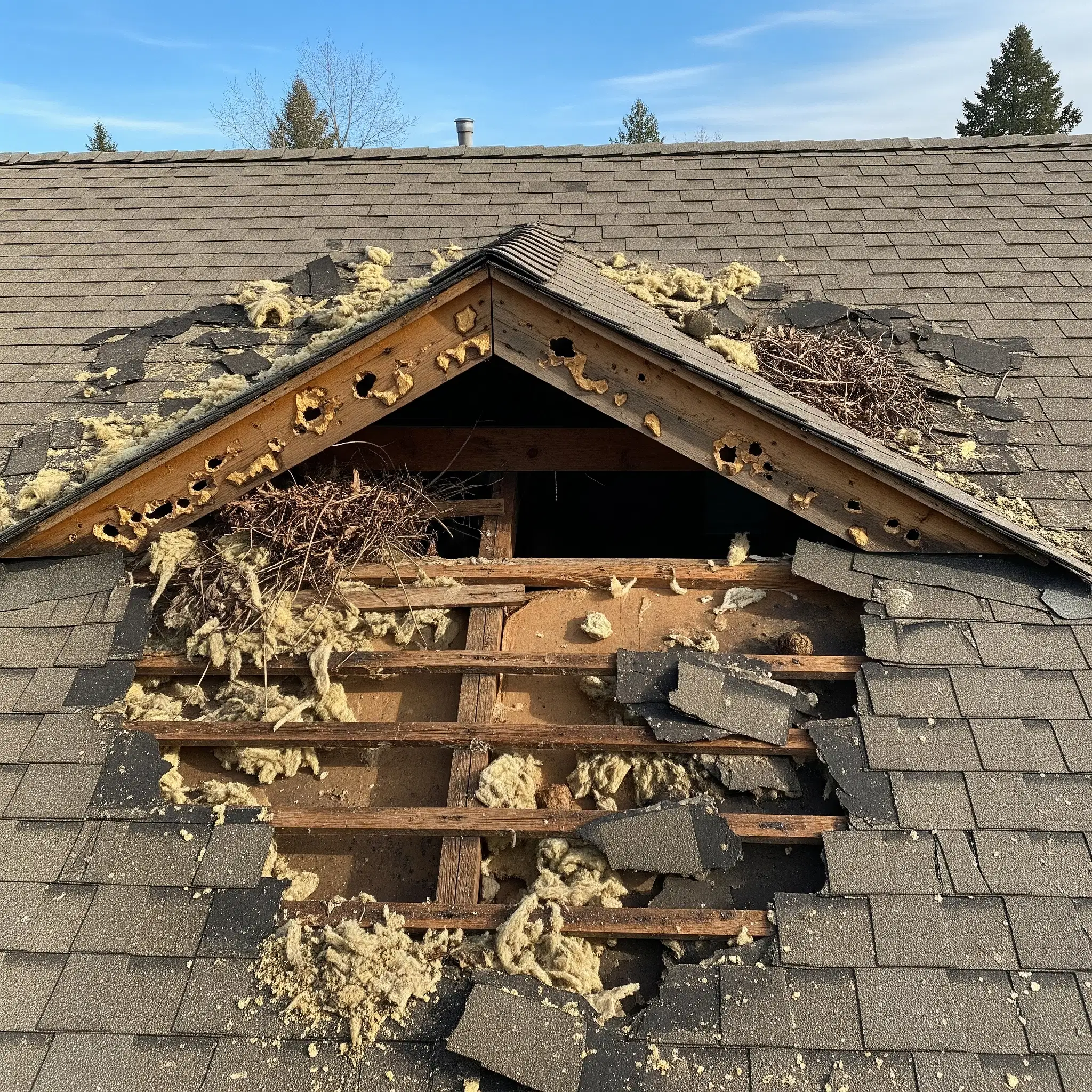
Proactive Prevention: Your Best Defense Against Winter Damage
When it comes to snow and ice, an ounce of prevention is truly worth a pound of cure. Taking steps before the worst of winter arrives can save you headaches and protect your investment.
1. Prioritize Attic Insulation and Ventilation: This is the most effective long-term solution for preventing ice dams. A well-insulated attic floor prevents warm air from reaching the roof deck, while proper ventilation (through soffit and ridge vents) keeps the deck uniformly cold. This stops the melt-and-refreeze cycle before it can start.
2. Ensure Clean Gutters: Before the first snowfall, make sure your gutters and downspouts are completely clear of leaves and debris. This ensures that any meltwater has a clear path to drain away from your roof and foundation.
3. Practice Safe Snow Removal: For persistent heavy snow, you can use a long-handled roof rake to carefully pull snow off the first few feet of your roof's edge. This removes the source material for ice dams. Crucially, never get on a snowy or icy roof yourself. It is extremely dangerous. If you're not comfortable using a roof rake, it's always best to call a professional.
During a new roof installation, we always install a specialized ice and water shield under the shingles along the eaves. This waterproof membrane acts as a critical last line of defense, preventing backed-up water from penetrating your roof deck.
Protecting Your Home This Winter and Beyond
Winter in The Rubber City is a fact of life, but roof damage doesn't have to be. By understanding the risks of heavy snow load and ice dams, you can take proactive steps to safeguard your home. Pay attention to the warning signs, prioritize proper insulation and ventilation, and never hesitate to call for professional help when you need it.
At Midwestern Construction, our commitment to integrity means we're here to provide honest solutions, not just quick fixes. Whether you need a winter roof inspection, emergency repairs from ice dam damage, or want to discuss a permanent solution with a new, properly protected roof system, our family is here to help yours. Contact us today to ensure your home is ready to handle whatever the Akron winter brings.