
Your Portage Lakes Home is Beautiful—Let's Keep It That Way: A Guide to Humidity and Your Roof
Living in the Portage Lakes area offers a unique and beautiful lifestyle. The serene water views, the recreational opportunities, and the close-knit community feel are things we all cherish. But the very thing that makes this part of Akron so special—the water—also brings a unique challenge for our homes: high humidity. That constant moisture in the air can silently and steadily take a toll on your home's most important protector: its roof.
Many homeowners don't realize the connection between humidity and their roof's health until they see the tell-tale signs of damage, like dark streaks, moss growth, or worse, a leak. At Midwestern Construction, we're a family-owned company that believes in honesty and transparency. We want to empower you with the knowledge to protect your investment so you can worry less about your home and spend more time enjoying the lake. This guide will walk you through how humidity affects your roof and what you can do about it.
The Unseen Threat: How Lake Effect Humidity Impacts Your Roof
High humidity is more than just a comfort issue; it's an environmental factor that can accelerate your roof's aging process. Here’s how it happens:
- Moisture Absorption: Asphalt shingles, one of the most common roofing materials, are porous. Over time, they can absorb ambient moisture from the air. This constant state of dampness creates the perfect breeding ground for organisms that can harm your roof.
- Algae and Moss Growth: Have you ever seen ugly black streaks on a roof? That's not dirt—it's a type of algae called Gloeocapsa magma. It feeds on the limestone filler in asphalt shingles. Moss is even more destructive. It holds water like a sponge against your roof's surface and its roots can lift and curl shingles, making them vulnerable to wind and water intrusion.
- Accelerated Deterioration: When shingles are constantly damp, they break down faster. The protective granules can loosen and wash away, exposing the underlying asphalt to the sun's harsh UV rays. This leads to cracking, brittleness, and ultimately, the need for a premature roof replacement.
Ignoring these signs can lead to more significant problems, including wood rot in your roof deck and costly structural repairs. Being proactive is the key to preserving your roof's integrity.
Your Roof's Best Friend: The Power of Proper Ventilation
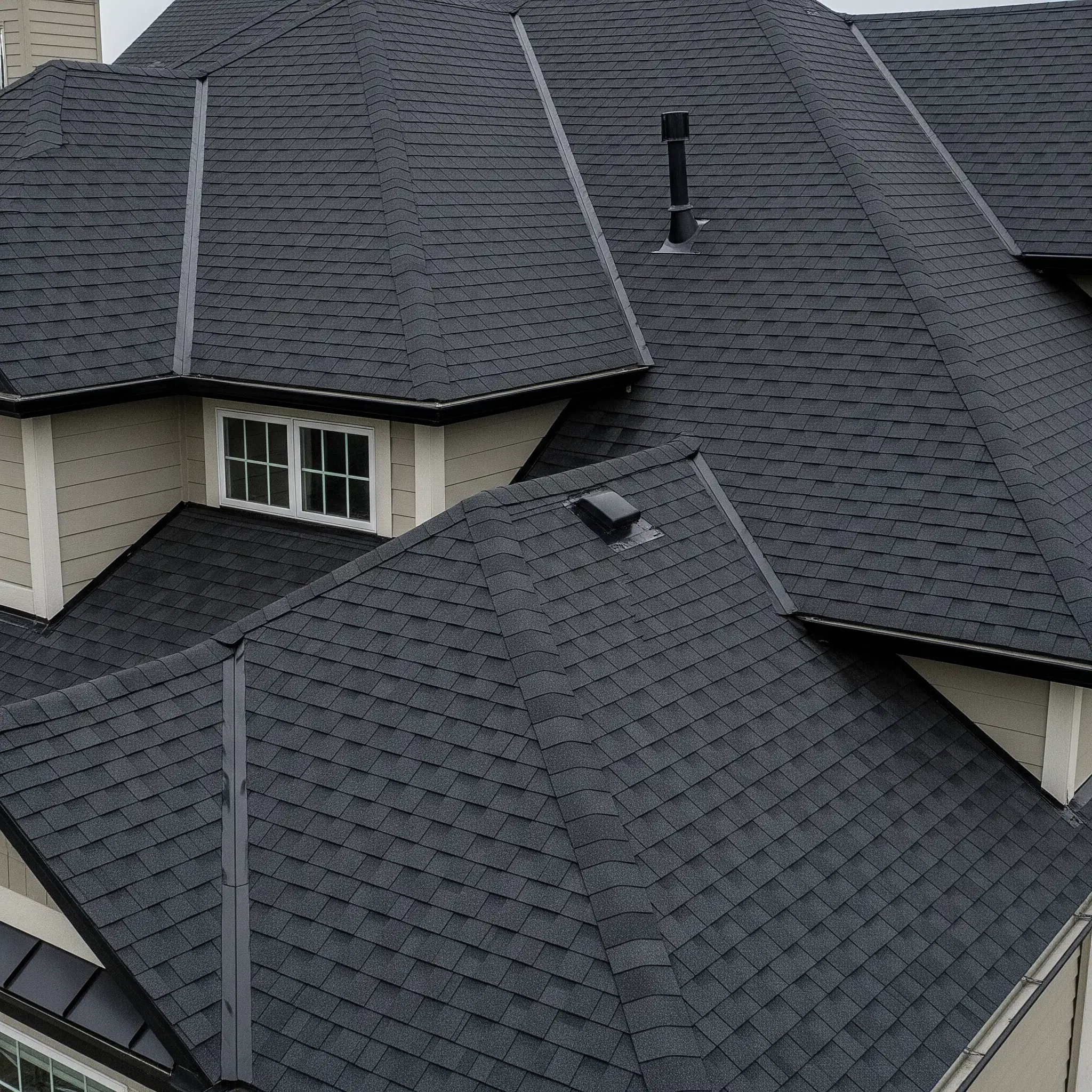
One of the most effective ways to combat moisture damage is to ensure your roof can breathe. A properly designed ventilation system works year-round to protect your home from the inside out. It creates a continuous flow of air through your attic, moving hot, moist air out and pulling in cooler, drier air.
Here’s why it’s so critical in our humid climate:
- It Removes Trapped Moisture: In the summer, humid air that enters your attic can condense on the underside of your roof deck. Without a way to escape, this moisture can lead to mold, mildew, and rot.
- It Increases Energy Efficiency: A hot, stagnant attic acts like a giant radiator, transferring heat into your living spaces and forcing your air conditioner to work overtime. A well-ventilated attic stays closer to the outside temperature, reducing your energy bills.
- It Prevents Ice Dams: In the winter, proper ventilation keeps your roof deck cold, preventing snow from melting and refreezing at the eaves. This is the primary defense against destructive ice dams, which can force water up under your shingles and into your home.
A balanced system of intake vents (at the lower part of your roof, like the soffits) and exhaust vents (at the peak, like a ridge vent) is essential for protecting your home's structure and longevity.
Choosing Your Armor: The Best Roofing Materials for a Humid Climate
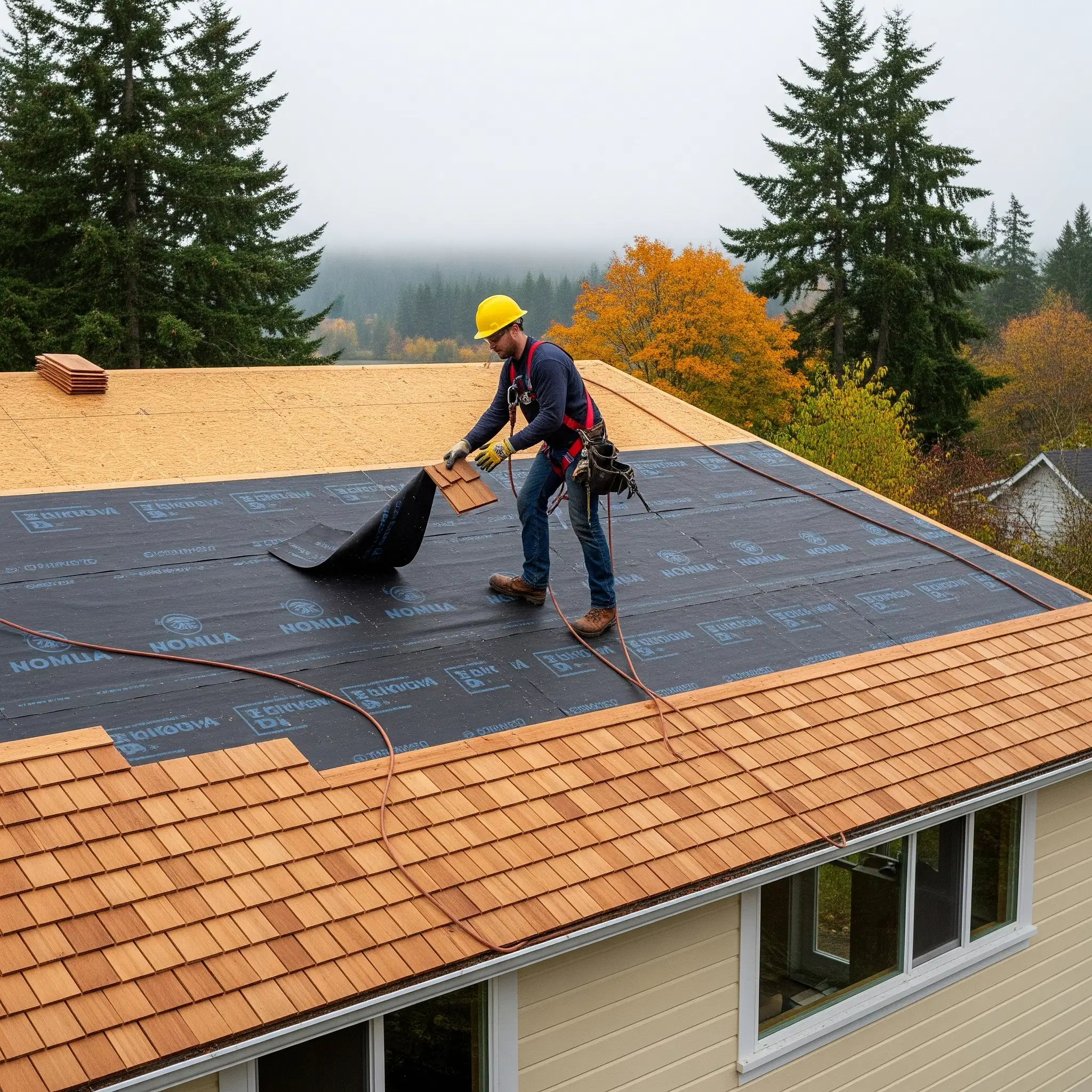
When it's time for a new roof, selecting materials designed to withstand moisture is a smart investment. Modern roofing technology offers excellent solutions for homes in high-humidity areas.
We often recommend shingles that feature algae-resistant technology. These shingles are manufactured with copper granules embedded in their surface. As rain washes over the roof, it releases copper ions that naturally prevent algae from taking hold, keeping your roof looking clean and performing its best for years. This simple feature can save you the headache and expense of dealing with those unsightly black streaks down the road.
If you're already seeing signs of algae or moss on your current roof, it's important to have it inspected. Sometimes, a professional cleaning and minor roof repairs can address the issue, while other times it may be a sign that the roof is nearing the end of its life.
The Unsung Hero: Why Clean Gutters are Crucial
Your roof and gutters work together as a single system to manage water. If your gutters are clogged with leaves, twigs, and other debris, they can't do their job. Water will back up and overflow, saturating the edges of your roof and the fascia boards. This constant dampness is a recipe for rot and decay.
In a humid environment, ensuring your gutters are clean and flowing freely is even more important. It's a simple but vital piece of maintenance that protects your roof, your siding, and your home's foundation from water damage. Regular gutter maintenance is one of the easiest ways to prevent complex and expensive problems.
Protect Your Lakeside Investment with Honesty and Integrity
Your Portage Lakes home is more than just a house; it's a significant investment and the center of your family's life. Protecting it from the unique challenges of our lakeside climate doesn't have to be complicated. By ensuring your home has proper ventilation, choosing moisture-resistant materials, and keeping your gutters clean, you can safeguard your roof for decades.
At Midwestern Construction, our family is here to help yours. We build our business on honesty, integrity, and a commitment to providing durable, high-quality solutions with lifetime warranties. If you have concerns about algae, moisture, or the overall health of your roof in the Portage Lakes or greater Summit County area, we invite you to contact us. We’d be happy to provide a transparent, no-obligation inspection and help you find the best path forward.